What to Keep at Roof Project Closeout
Turn completed work into a usable building record
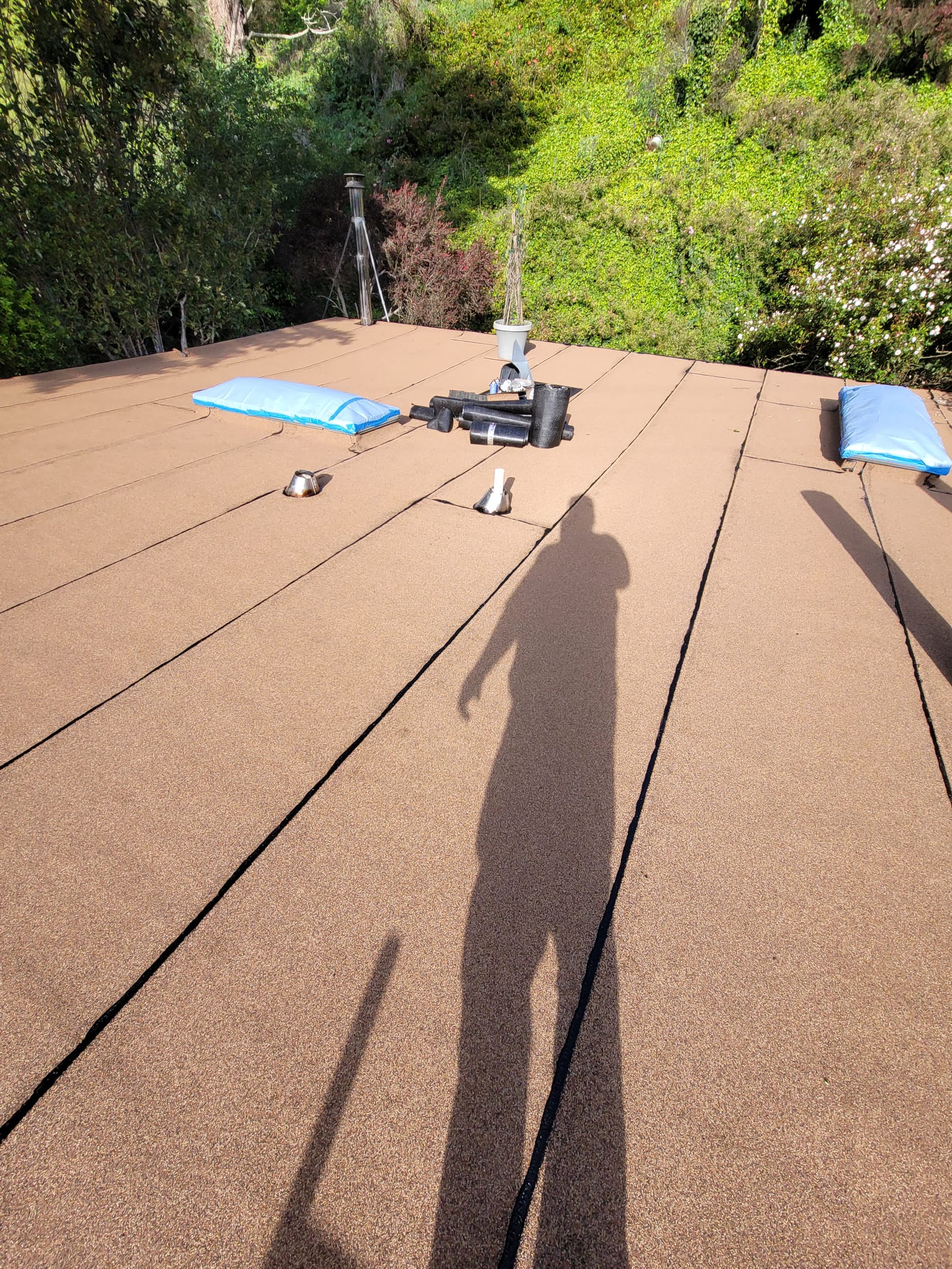
Illustrative roofing photograph from our gallery—not documentation of a specific project, location, or outcome discussed in this chapter.
Project closeout should leave the owner with more than a final invoice. The record should explain the completed work, its limits and the responsibilities that continue after installation.
Reconcile the Scope
Compare the final work record with the accepted proposal and authorized changes. Identify roof areas, repairs, details and any exclusions. Ask for an explicit unresolved-items list rather than assuming that silence means every issue is settled.
Keep inspection or testing documents when they are part of the specified work. Do not treat a photograph alone as proof of a concealed condition or finished coating thickness.
Collect the Documents
Request the approved product/system information, installation records provided under the scope, final photographs and relevant manufacturer correspondence. Keep warranty documents separate from sales literature.
Review the actual warranty issuer, term, coverage, exclusions, registration or inspection requirements and maintenance obligations. A contractor's statement about an intended warranty is not the same as issuance by the responsible party.
Make the Handover Practical
- Store a roof-area diagram and consistent photograph labels.
- Record drainage and penetration details that require attention.
- Identify who receives future leak or maintenance reports.
- Keep instructions for later rooftop work by other trades.
- Track open items and the agreed next steps.
Question to Ask
If a new property manager takes over tomorrow, which documents will explain what was done and what must happen next?
Use the actual contract and manufacturer documents to establish required deliverables. This guide suggests a useful record; it does not promise that every project includes every listed service.