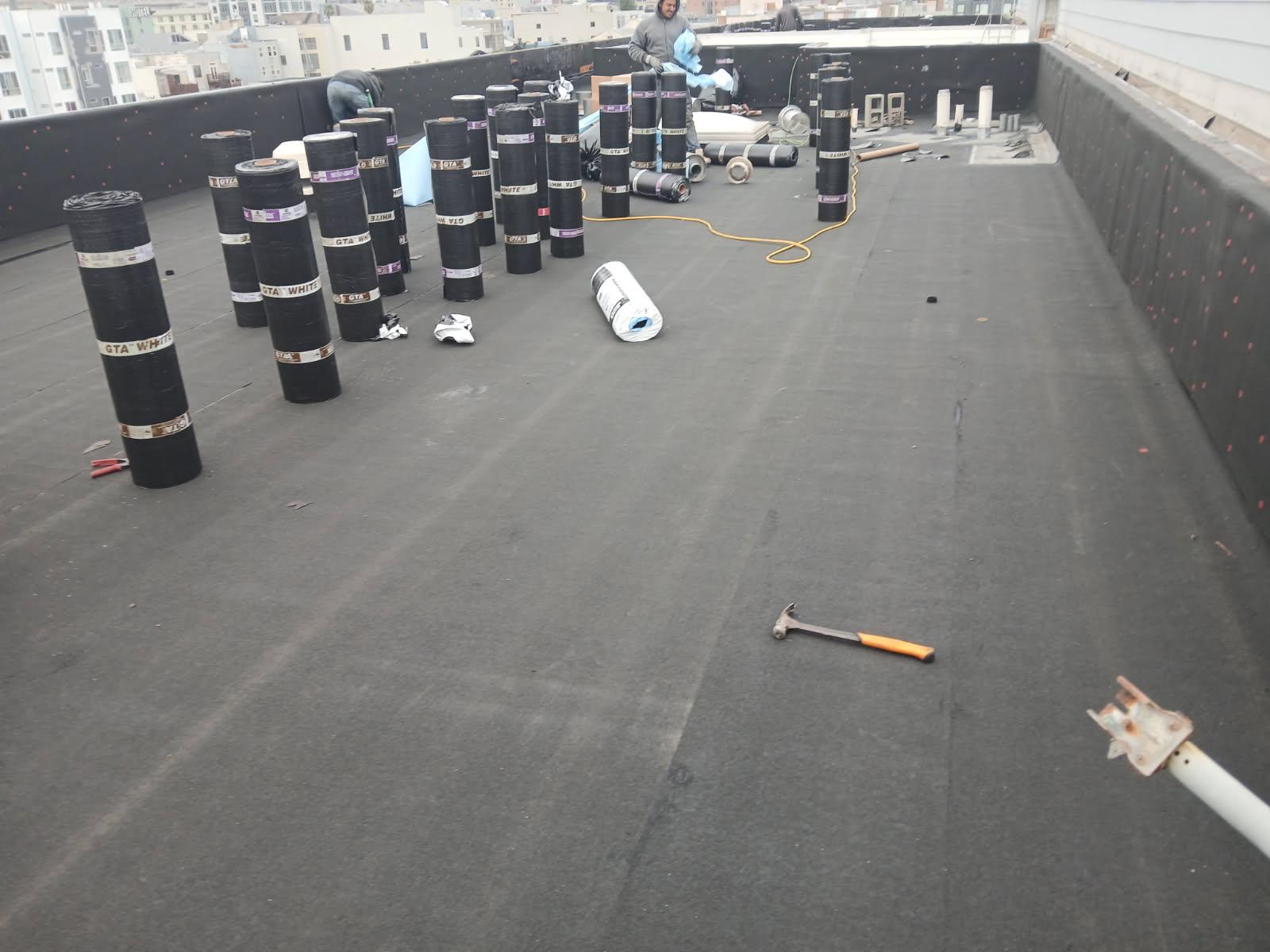
Low-VOC silicone restoration
Best for: occupied food plants
A seamless exterior membrane addresses field areas, drains, curbs, and penetrations without a tear-off or production-floor exposure.
Silicone roof systems engineered for the demanding environment of food plants, canneries, and refrigerated warehouses — with zero production downtime.
15–25%
Reflective systems can reduce solar heat gain over refrigerated and processing spaces.
3–6 yrs
Energy, deferred replacement capital, and eligible deductions influence project payback.
Low-VOC
Exterior-applied coating systems are supported with product and SDS documentation.
Up to 30
Warranty terms depend on the final system design and manufacturer requirements.
System Options
The right specification depends on the existing roof assembly, moisture findings, drainage, and operating requirements. McCurdy assesses those conditions before recommending a system.
Best for: occupied food plants
A seamless exterior membrane addresses field areas, drains, curbs, and penetrations without a tear-off or production-floor exposure.
Best for: high-risk penetrations
Reinforced treatment is specified at exhaust fans, HVAC curbs, seams, and transitions where food facilities commonly develop leaks.
Best for: refrigerated operations
High-reflectance finish options help reduce rooftop heat gain and support a documented energy-efficiency strategy.
Case Study
Representative Central Valley project profile
Food processing and refrigerated storage facility with dense exhaust equipment, strict sanitation procedures, and scheduled production windows.
Plan a Similar ProjectThe challenge
Recurring leaks near penetrations threatened production continuity, while the facility needed a documented solution that fit its maintenance calendar.
The approach
The assessment traced leak paths, confirmed moisture conditions, and sequenced reinforced detailing and coating work around shutdown windows and HVAC requirements.
The outcome
The owner received a seamless, documented restoration path with reduced operational disruption and a clearer maintenance record for future audits.
More Building-Specific Resources
Zero Compromise on Compliance or Performance
A food processing facility roof has requirements no other building type shares: it must manage steam-driven moisture from below, survive intense exterior heat, stay watertight over production floors where a single leak can trigger a shutdown, and be documented for food safety auditors.
Silicone coatings meet all of these demands. Applied as a fluid membrane to the exterior, they seal the roof deck seamlessly — including every drain, exhaust penetration, and HVAC curb — without producing VOCs or toxic off-gassing that could affect interior air quality during application.
For refrigerated processing facilities in Modesto, Stockton, and the Central Valley, a high-SRI silicone coating delivers measurable reductions in refrigeration compressor runtime from day one — making the investment self-funding over a 3–6 year payback horizon.
What We Solve
Canneries and food plants generate significant interior steam and humidity. Vapor drive pushes moisture upward through the roof assembly. McCurdy's assessment identifies vapor-related damage and the coating system is specified to manage moisture at the membrane level.
Food processing facilities are subject to USDA, FDA, and third-party food safety audits. McCurdy uses low-VOC, non-toxic silicone coatings applied to the exterior roof only — we provide full product documentation for your compliance files.
Refrigerated processing and storage areas are among the most energy-intensive commercial buildings per square foot. Every watt of solar heat that penetrates the roof becomes refrigeration load. A high-SRI silicone coating is one of the most cost-effective ways to reduce that load.
Food processing lines typically run continuously or on tightly scheduled shifts. McCurdy crews work around production schedules — we can stage application during shutdown windows, weekends, or between shifts to minimize operational impact.
Common Questions
McCurdy uses silicone coatings applied exclusively to the exterior roof surface. These materials do not contact food, interior air, or food-contact surfaces. We provide full SDS sheets and material documentation for your compliance files and facility audits.
Yes. We stage the work to match your facility's operational windows. Many food processing clients schedule application during scheduled maintenance shutdowns, holiday closures, or between production shifts. We will build a detailed schedule at the estimate stage.
High penetration counts are common on food processing roofs and are accounted for in our system design. Each penetration receives a reinforced silicone detail — in fact, penetrations are where most food facility roof leaks originate, and eliminating them is a primary value of our system.
Recurring leaks over food-processing areas are a serious issue for both operations and compliance. McCurdy's assessment identifies the source of each leak and whether coating, repair, or section replacement is the appropriate fix. We'll give you a clear written recommendation before any work begins.
There is no universal payback period. Compare roof condition, installed cost, refrigeration and HVAC loads, utility rates, maintenance, and replacement alternatives for your facility. Section 179D ended for property whose construction begins after June 30, 2026; ask your tax advisor whether an earlier project meets the separate eligibility and certification requirements.
McCurdy provides a written system recommendation and infrared moisture scan at no charge — with full compliance documentation included.