How to Spot a Roofing Scammer Before They Get on Your Roof
Roofing scams cost homeowners thousands every storm season. A third-generation roofing contractor breaks down the exact red flags — including salesmen posing as estimators and drone-only quotes — and the questions that expose them in under a minute.
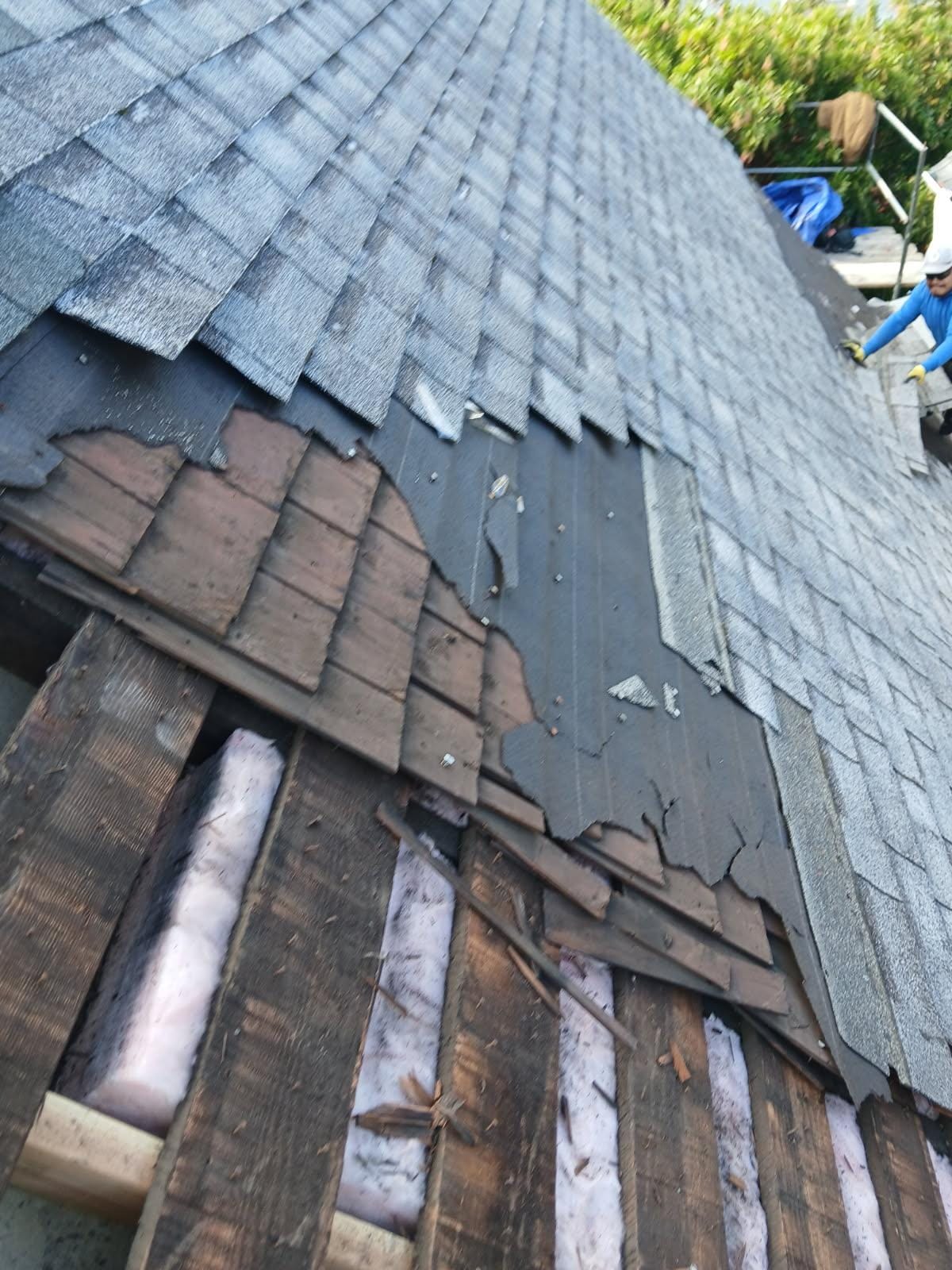
I've spent almost four decades in this industry, and one of the things that bothers me most isn't competition — it's watching what scammers do to homeowners, especially older folks and people who just went through a stressful storm. I've walked into more than one home after a "contractor" took a deposit and vanished, or worse, did work so bad it caused more damage than the original problem. So I want to lay out, plainly, exactly how these people operate — because once you know what to look for, they're not that hard to spot.
The Classic Setup: The Storm Chaser
After any hailstorm, windstorm, or major weather event, a wave of unfamiliar trucks shows up in the area. These are storm chasers — crews that follow bad weather from state to state, knock on doors for a few weeks, and disappear before anyone can hold them accountable for the work. The tell is almost always the same: they show up uninvited within days of a storm, claim they were "just in the neighborhood," and push urgency hard.
Red Flag #1: They Knock on Your Door First
Legitimate, established roofing companies rarely go door-to-door. We don't need to — our work speaks for itself, and reputation and referrals bring us business. If someone shows up unannounced offering a "free inspection" and immediately finds damage, be skeptical. That's a sales script, not a diagnosis.
Red Flag #2: They Pressure You to Decide Today
"This price is only good if you sign right now" is one of the oldest tactics in the book. A legitimate contractor understands that a roof is a major investment and expects you to think it over, get a second opinion, or talk to your insurance company first. Manufactured urgency is a sales tactic, not a reflection of real pricing.
Red Flag #3: They Ask for a Large Deposit Upfront
It's normal for a contractor to ask for a modest deposit to schedule materials. It is not normal to be asked for 50% or more of the total job cost before any work begins, especially from a company you've never heard of. This is the single most common way homeowners lose money — the crew takes the deposit and simply never returns.
Red Flag #4: They Can't Produce a License Number
Every legitimate roofing contractor in California is required to carry a state contractor's license. Ask for the number directly and verify it yourself through the California Contractors State License Board (CSLB) website — don't just take their word for it. A real company will give you this number without hesitation. A scammer will dodge the question or give you a number that doesn't check out.
Red Flag #5: They Have No Physical Address or Local History
Search the company name. If there's no real address, no reviews older than a few months, and no local project history, that's a company built to disappear. Established roofing companies have a paper trail — permits pulled, reviews across multiple years, and an actual office you could drive to if something went wrong.
Red Flag #6: They Push You to File an Insurance Claim You Don't Need
Some storm chasers specifically target homeowners to inflate or manufacture insurance claims, sometimes even causing minor damage themselves to justify a claim. A legitimate contractor will give you an honest read on whether your roof actually sustained storm damage — not push you toward filing regardless of what they find.
Red Flag #7: You're Talking to a Salesman, Not an Estimator
This one trips up more homeowners than almost any other, because the person on your roof seems knowledgeable and confident. But there's a real difference between a trained estimator and a commission-based salesman, and it matters more than most people realize.
A true estimator has hands-on roofing experience — they've worked on roofs, understand materials, decking, ventilation, and structural issues, and their job is to accurately assess what your roof actually needs. A salesman's job, by contrast, is to close the deal. Many storm-chasing and high-pressure outfits deliberately staff their door-to-door teams with salespeople who've never installed a roof in their life, trained only on a pitch script and a pricing sheet.
How to tell the difference: ask specific technical questions. "What's the decking material under my current roof?" "How many squares of ventilation does a roof this size need?" "What's actually causing this specific leak?" A real estimator answers from experience. A salesman deflects, generalizes, or pivots straight back to price and urgency.
Red Flag #8: They Never Actually Walk the Roof
Drone technology has a real place in roofing — it's useful for a quick visual overview, especially on steep or hard-to-access roofs. But it has become a shortcut some companies use to avoid the thing that actually matters: physically walking the roof and inspecting it up close.
A drone photo can show you missing shingles or obvious surface damage from 40 feet up. It cannot tell you if flashing is properly sealed, if decking has soft spots underfoot, if a seam is starting to separate, or if there's moisture trapped beneath the surface. Those are things you can only find by walking the roof, pressing on suspect areas, and physically inspecting the details a camera simply can't capture.
Be wary of any company that quotes a full repair or replacement based only on drone photos or satellite imagery without ever sending someone to walk the actual roof. It's often a sign of a high-volume, low-accountability operation.
Red Flag #9: They Can't Show Proof of Workers' Comp Insurance
This is the one homeowners think about least, and it's one of the most financially dangerous to skip. If a worker is injured on your roof and the company doesn't carry workers' compensation insurance, you as the homeowner can potentially be held liable for that worker's medical bills and lost wages.
Legitimate roofing companies carry active workers' comp coverage for every crew member on your property, and they'll produce a current certificate of insurance without hesitation. Before any crew steps foot on your roof, ask for a current certificate of insurance showing active workers' compensation coverage, and verify it's still valid.
What a Legitimate Roofing Company Actually Looks Like
- A verifiable CSLB license number
- A real, permanent business address you can visit
- Reviews and project history going back years, not weeks
- A trained estimator, not just a commission salesman, assessing your roof
- Someone who physically walks your roof, not just a drone flyover
- Current proof of workers' compensation insurance for every crew member
- A written, detailed proposal — not a verbal number and a handshake
- No pressure to sign same-day
- A reasonable deposit structure with the bulk of payment due on completion
The One Question That Ends Most Scams Fast
Ask: "Can I have your CSLB license number, and can I call three references from jobs you completed at least two years ago?" A legitimate contractor answers instantly. A scammer stalls, changes the subject, or leaves.
Three Generations of Doing This the Right Way
McCurdy Roofing has been family-owned since 1985, and we've built our reputation over three generations on being the company that's still here — still answering the phone, still standing behind our work — years after the job is done. If you're ever unsure whether a quote or a contractor feels right, feel free to call us for a second opinion, even if you don't end up hiring us. It costs you nothing to make sure you're protected.
Call (650) 952-0233 if you want a second opinion on a roofing quote or contractor before you sign anything.
Ready to apply this to your building?
Get a free, no-obligation assessment from McCurdy's expert team.
Schedule Free Inspection
Ready to Protect Your Investment?
Get a free roof assessment from Bay Area's most trusted commercial coating contractor.